
Why Premium Streaming TV Outperforms Open Exchange Media Buys
Streaming TV has become the default way Americans watch television, but not all streaming TV (STV) inventory delivers the same value for advertisers, some delivers more value for publishers and SSP's. As budgets tighten and performance pressure rises, the real payoff is shifting toward premium environments that build brand trust, drive fullfunnel impact, and create measurable downstream shopping behavior.

1. All Streaming TV Is Not Created Equal
A messy but powerful ecosystem
The modern STV ecosystem is a tangle of:
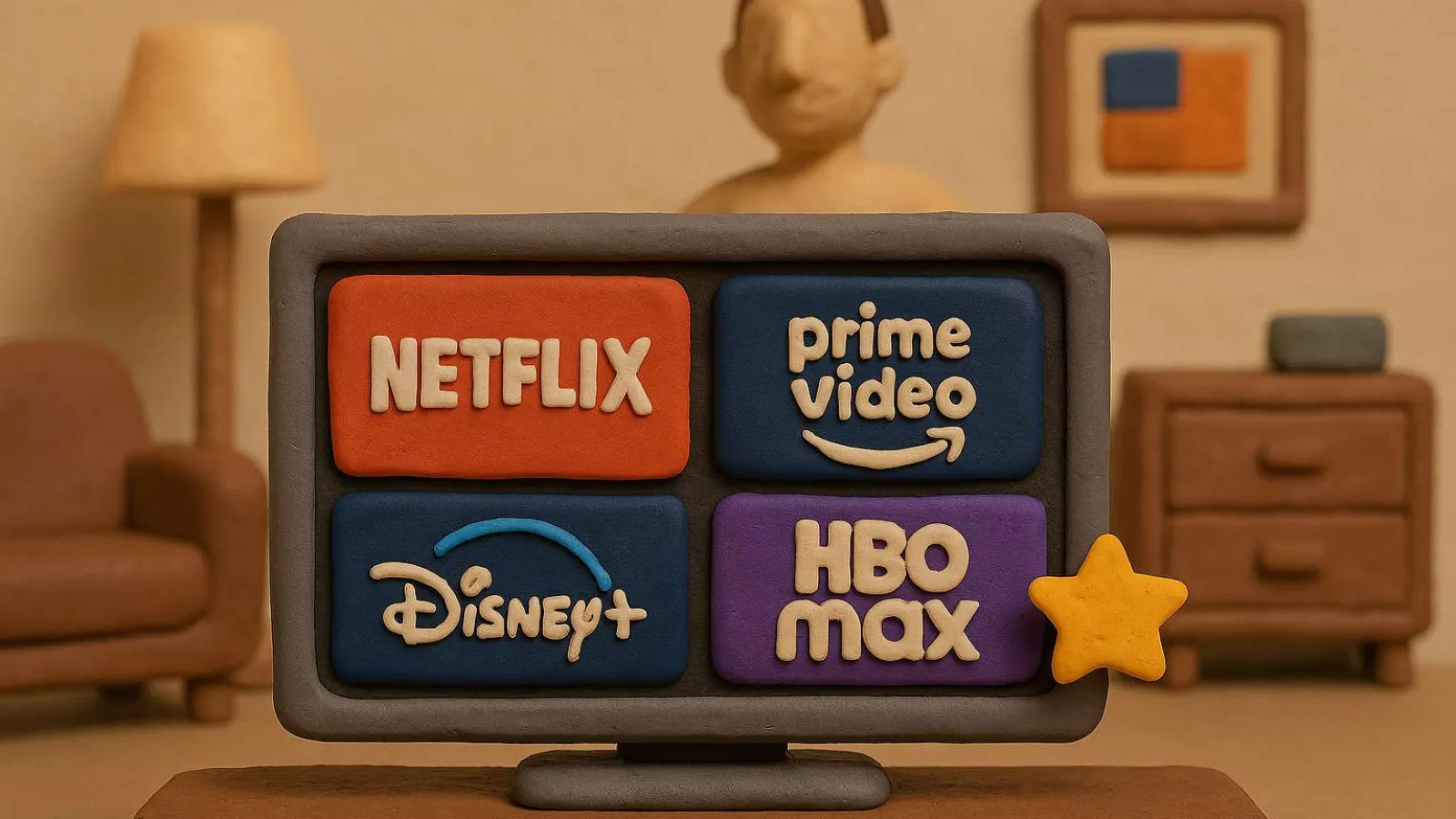
- Premium publishers (SVOD/AVOD apps like Netflix, Disney+, Prime Video, Peacock, Paramount+).
- Virtual MVPDs (cable alternatives like YouTube TV, Hulu + Live TV, Sling, Fubo, DirecTV Stream).
- FAST platforms (free adsupported channels like Pluto TV, Tubi, The Roku Channel, Samsung TV Plus, Xumo).
Each layer is stitched together by supply side platforms (SSPs), demand side platforms (DSPs), data providers, verification vendors, and measurement partners. That complexity can unlock targeted reach and better measurement—but it also hides enormous quality differences between placements.
The Trade Desk's 2025 "Value of Premium" study found that premium media environments are 50% more effective at building positive brand associations than less premium placements, and exposure to premium placements lifts purchase intent by 40%. In other words, two CTV impressions with the same CPM can have very different effects on what people think and do.
What makes media "premium"?
Consumers in the same study defined premium media by two core attributes:
- A strong media brand (credibility, reliability, relevance, and a sense of belonging).
- A quality environment (smooth navigation, integrated ads, and content ad cohesion).
Notably, 57% of respondents said ad related factors are the biggest drivers of media quality, and 85% said premium environments increase their trust in advertisers. When ads feel high quality, relevant, and non-disruptive, the "halo effect" of the environment rubs off on the brand.
FAST channels often have more ad breaks, longer ad breaks, and combined with older rerun content it tends to be more of a background experience vs. a leaned in active viewing experience that comes with premium content. But these FAST channels are profitable for the publishers, SSP's, and DSP's because they make money on the volume of ads served. They are made for ads video channels, and that's not the same user experience as premium quality channels.
For STV specifically, premium environments made advertisers seem 3.2× more innovative and 2.6× more successful versus less premium STV inventory. That perception gap is the foundation of the premium STV payoff.
2. The Premium STV Halo: From Awareness to Action
Premium attention drives lowerfunnel behavior
A common objection to premium STV is that "it's just awareness." The evidence says otherwise.
The Trade Desk's analysis of its highest quality inventory cohort (Sellers & Publishers 500+) shows that premium supply drove 60% better brand awareness and a 70% lift in purchase intent compared with the rest of the open internet. Those are lowerfunnel shifts, not just soft impressions.
Other research points to concrete downstream behaviors:
- Search Engine Land advises Connected TV (Streaming TV) campaigns can be tied to incremental branded search volume and conversions when marketers measure search behavior in geos exposed to STV versus holdouts.
- Amazon Ads brand lift meta analysis shows that aligning content with context in streaming environments (for example, sports creative in live sports, entertainment creative in Prime Video) can produce 5×-7.5× higher brand awareness lift versus generic placements.
- Interactive and shoppable Streaming TV formats on Prime Video have driven up to 10× more product page views and conversions than non-interactive video ads, proving that well designed STV can both build brands and prompt immediate shopping.
Put simply: premium STV generates quality attention, and that attention reliably flows into search, site visits, store visits, and conversions.
Why over focusing on lastclick leads you astray
The IAB's 2025 Outlook study reports that only 22% of advertisers plan to increase brand building spend, while 54% are increasing performance spend. That tilt toward short term KPIs often leads advertisers to underinvest in premium STV because it doesn't always "win" on lastclick attribution windows.
But lastclick frameworks:
- Undervalue channels that spark demand (like STV) and overvalue channels that capture existing intent (like paid search and lowerfunnel retail media).
- Encourage chasing cheap impressions at the expense of brand equity, even though premium media is more effective at lifting trust, perceived quality, and purchase intent.
- Miss the compounding benefit of repeated, high-quality exposures in environments where consumers are relaxed, focused, and open to discovery.
Marketers who treat premium STV as a fullfunnel driver—rather than just GRPs or vanity awareness—tend to see stronger overall ROI once they connect exposure to search, site behavior, and sales.
3. A Structured Plan to Maximize Premium STV
Below is a practical blueprint you can use (or adapt into an internal playbook) to unlock the premium streaming TV payoff.
Step 1: Define what "premium" means for your brand
Start by codifying your standard of premium:
Favor inventory where publisher brands have strong trust and clear editorial standards. The Trade Desk study shows consumers weigh brand reputation and environment at nearequal importance when judging media quality.
Prioritize environments with intuitive navigation, limited clutter, and thoughtful ad experiences—where ads do not slow down content or feel jarring.
Establish hard guardrails for brand safety, content adjacency, and fraud, and make them part of your buying brief.
A simple internal rubric might score partners on:
- Media brand strength (trust, credibility, cultural relevance).
- UX and ad load (frequency, pod structure, integrations).
- Data and measurement sophistication (householdlevel reach, deterministic IDs, attribution support).
Defining your definition of premium for your brand will help your demand side platform partner make the right private marketplace cluster of publishers to best serve your brand and results.
Step 2: Design a fullfunnel STV framework
Use premium STV across the entire funnel, with distinct roles for each layer.
1. Upper funnel - Reach and association
- Heavy up in high-quality STV and premium vMVPD channels.
- Use broad but relevant audience segments (category intenders, inmarket signals, contextual content alignment).
- Optimize toward reach, frequency, and attention, not immediate conversions.
2. Midfunnel - Consideration and engagement
Layer in sequential messaging so exposed households receive deeper storytelling assets or offerdriven spots after initial brand exposures.
Lean on contextual alignment (sports with sports, gaming with Twitch, entertainment with premium series) to capture higher lifts in awareness and consideration.
Test interactive or shoppable creative where possible to encourage exploration (QR codes, remoteclick overlays, and shoppable formats).
Step 3: Commit to premiumfirst allocation
Given the halo effects reported by The Trade Desk report, consider:
Dedicate a share of your video budget (for example, 50-70%) exclusively for premium STV placements that meet your rubric.
Using non-premium STV only where you can prove incremental reach at acceptable attention and brandsafety levels. This inventory is optimal for Remarketing campaigns.
Regularly refreshing your premium publisher set based on performance, viewer migration, and marketplace innovation.
This approach acknowledges that while CPMs on premium platforms can be higher than on usergenerated or longtail inventory, the effective cost per lifted outcome (awareness, intent, visit, or sale) is often lower.
4. What to Look for in a Premium STV Partner
Choosing the right partner is as important as choosing the right inventory. Below is a structured checklist you can use in RFPs and evaluations.
A. Inventory quality and access
Look for partners who can:
- Provide direct, transparent access to premium publishers across SVOD/AVOD, vMVPD, and FAST, not just aggregated "STV".
- Distinguish between their highest quality inventory cohorts and the broader open exchange, with evidence of how those cohorts perform across brand and performance KPIs.
- Offer the ability to have private marketplace deals with publishers, often called PMP's.
B. Data, identity, and measurement
Strong STV partners should:
Support durable identity and householdlevel reach/frequency management across devices (CTV, mobile, desktop).
Amazon Ads, for example, has the power of combining firstparty shopping signals with streaming TV to optimize campaigns for awareness, consideration, and conversion across the same audience graph.
C. Creative and ad experience innovation
Premium STV isn't just about where your ads run; it's how they show up.
Prioritize partners who:
- Offer interactive and shoppable formats, like Amazon Ads, that preserve a high quality viewing experience while giving consumers oneclick paths to learn more or buy.
- Can support sequential storytelling, dynamic creative optimization, and contextaligned creative (e.g., sports themed spots in live sports inventory).
- Actively review pod structure and creative quality standards to maintain a premium experience that, according to consumers, is central to perceived media quality.
D. Transparency, brand safety, and support
Finally, premium STV partners should:
- Provide loglevel transparency into where your ads ran, at what price, and with what outcomes.
- Leverage DSP's that have tools for brand safety, 1st party data, and fraud prevention.
- Bring strategic support—guidance on audience strategy, creative best practices, and measurement frameworks that recognize STV's fullfunnel role.
5. Putting It All Together
When you zoom out, the argument for premium STV looks straightforward:
- Consumers say premium environments make them trust advertisers more, and the data shows those environments are more effective at lifting brand perceptions and purchase intent.
- Premium STV doesn't just create "awareness"; it drives search demand, site visits, and conversions.
- Brands that resist the temptation to chase only cheap reach and lastclick conversions—and instead commit to a premium, fullfunnel STV strategy—are better positioned to build durable equity.
In a messy ecosystem of publishers, SSPs, DSPs, and data brokers, the payoff goes to marketers who know exactly what "premium" means, hold partners to that standard, and measure the downstream impact of quality attention across the funnel.
Reach out to our programmatic team at SilverBack Advertising to review more about the benefits of premium Streaming TV and how ad premier Amazon Ads partners we are positioned to answer your questions, build your strategy, and help your brand build long lasting results.